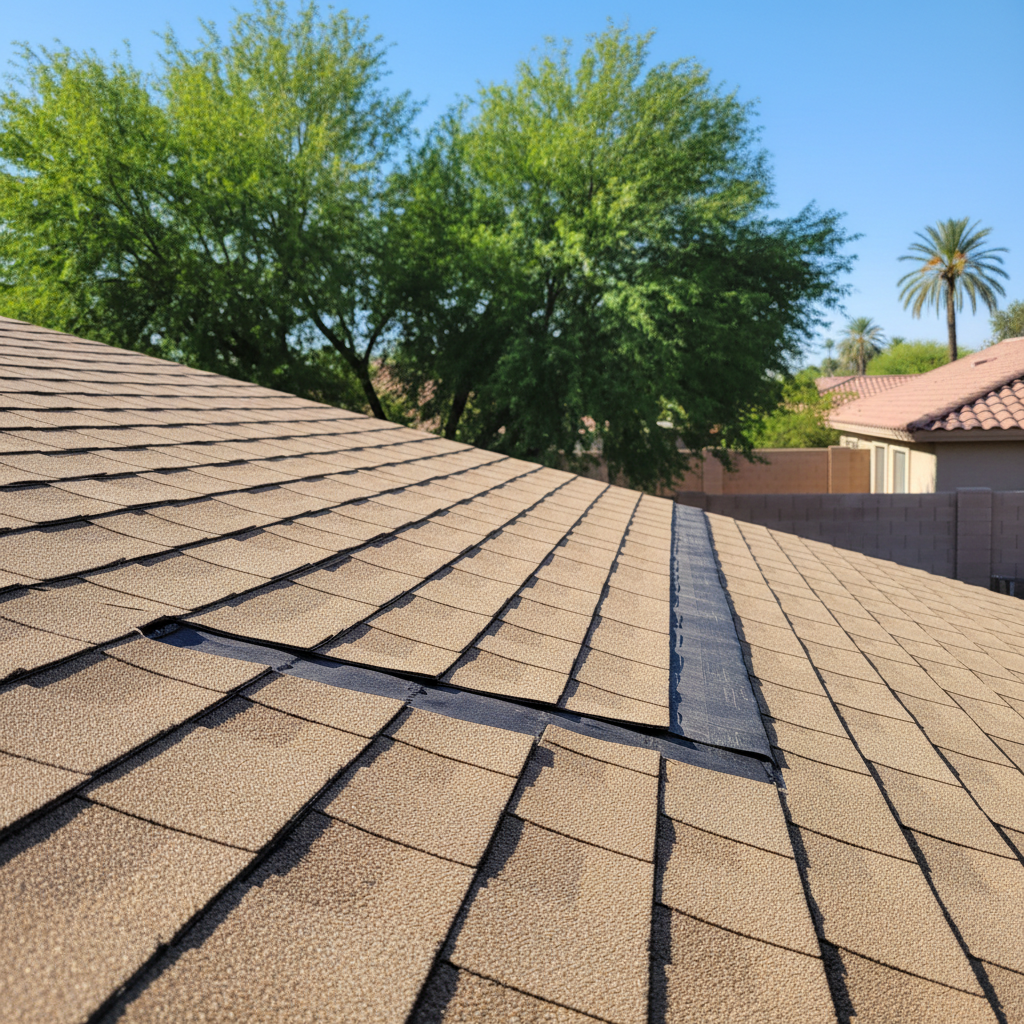
A brown ring spreading across your ceiling right after a heavy desert downpour rolls through Surprise is a common sight. Water intrusion from a roof leak has a way of turning a quiet evening into a difficult situation. Dealing with the aftermath involves more than just patching a hole on the roof. New Look Restoration Inc spends a lot of time helping local homeowners sort through the mess. Here are straight answers to the questions we hear most often about roof leaks and the resulting water damage.
Why is my roof leaking if it didn't rain long?
Desert storms hit hard and fast, and standard rain is not the only culprit. High winds during a monsoon can push water sideways under concrete tiles or shake loose the old flashing around your chimney and roof vents. In master-planned communities across Surprise, where tile roofs are everywhere, water often finds a path through cracked mortar or worn-out underlayment that gave way under years of blistering sun.
Does the interior ceiling stain show where the leak is?
Not usually. Water follows the path of least resistance. It hits your roof deck, runs down rafters, travels along wooden trusses, and finally drips down into your living space yards away from the actual roof breach. Finding the source requires tracing that trail backward through the attic.
How fast does mold start growing after a roof leak in Arizona?
You might think our dry desert air stops mold in its tracks, but once water gets trapped inside drywall, insulation, or framing cavities, a micro-climate forms. Mold can start colonizing within 24 to 48 hours. That is why drying out wet framing and insulation quickly matters just as much as fixing the roof tiles overhead.
Should I call a roofer or a water damage restoration contractor first?
Call an emergency roofer to stop active water entry, but you will definitely need a professional restoration team to handle the indoor damage. If water soaked into your drywall, baseboards, or flooring, waiting will only cause more destruction. New Look Restoration Inc coordinates the structural drying process so trapped moisture does not rot out your framing.
Will my homeowners insurance cover roof leak repairs?
It depends entirely on what caused the damage. If a monsoon windstorm ripped off tiles or tore open a vent boot, insurance generally covers the resulting interior water damage and the roof repair. If the leak stems from deferred maintenance or a roof that simply aged out after twenty-five years, the claim will likely get denied. Document everything with photos before any cleanup starts.
Can I just wait until the dry season to fix it?
Putting off a roof repair because the rain stopped is a gamble that rarely pays off. Even if it does not rain again for months, residual moisture trapped in your ceiling assembly can cause persistent framing rot and attract pests. Addressing the leak right away keeps a small repair from turning into a major structural rebuild.